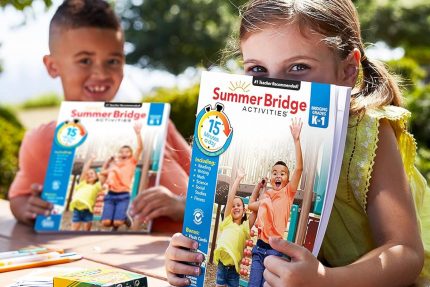
This post was written by a guest contributor and is sponsored by Carson Dellosa.
Once summer arrives, the last thing on kids’ minds is more schoolwork, and honestly, we can’t blame them. Summer is meant to feel like a break. It’s a time when routines loosen, bedtimes stretch a little later, and days are filled with sunshine, play, and spontaneous plans. As parents, we want to lean into that freedom too, with more family time, more outdoor adventures, and more space for curiosity to lead the way.
At the same time, there’s that quiet concern in the back of our minds: how do we keep our kids learning without taking away the magic of summer?
The “summer slide” is something many families experience, whether they realize it or not. Skills that took months to build, like reading fluency, math confidence, and problem-solving, can start to fade without regular practice. By the time school starts again, kids often need to spend valuable time relearning concepts instead of building on them. It can be frustrating for both kids and parents, especially when you know how hard they worked during the school year.
The good news is that learning during the summer doesn’t have to feel like school. In fact, it works best when it doesn’t.
We’ve found that the key is keeping things light, consistent, and most importantly, fun. That’s exactly why we keep coming back to Summer Bridge Workbooks year after year. They’ve become one of those simple, reliable tools that fit naturally into our summer rhythm without turning it into a structured classroom environment.
What makes them stand out right away is how manageable they feel. Instead of overwhelming kids with long assignments, the workbook is designed around 60+ days of short, structured activities. It’s just enough to keep their minds engaged without feeling like a chore. A few minutes a day can make a huge difference, and because the sessions are quick, it’s easy to build into a morning routine or wind-down time before heading out for the day.
Another reason we love them is the well-rounded approach. The activities cover essential subjects like math, language arts, science, and social studies, but they don’t stop there. There’s also an emphasis on fitness and hands-on learning, which keeps things dynamic and engaging. It doesn’t feel like sitting down to do “work.” It feels more like exploring different types of challenges.
The variety is what really keeps kids interested. One day might include a quick math review, while another might involve a creative activity, an outdoor challenge, or even flashcards that feel more like a game than a study session. That mix helps prevent boredom and gives kids something new to look forward to each day. It also allows different types of learners to stay engaged, whether they prefer movement, creativity, or problem-solving.
What’s especially helpful as a parent is how the workbook balances review and preparation. Kids get the chance to revisit concepts they learned during the previous school year, which helps reinforce their confidence. At the same time, they’re gently introduced to skills they’ll encounter in the upcoming grade. It creates a smoother transition into the new school year without the pressure of formal lessons.
There are also built-in tools that make it easy to stay on track without constant oversight. Progress charts and monthly goal-setting pages give kids a sense of ownership over their learning, which can be surprisingly motivating. Instead of being told what to do, they can actually see their progress and feel proud of sticking with it. And for parents, the answer key makes it easy to check in and support when needed.
The little extras don’t go unnoticed either. Stickers, posters, and bonus eBooks add an element of excitement that makes the experience feel more like a reward than a responsibility. It’s a small touch, but it goes a long way in keeping kids engaged over time.
For families who want even more practice, the bonus online support with IXL Learning is a major plus. The included skill IDs make it easy to jump from the workbook into targeted digital practice, so kids can keep building the same concepts in a more interactive format. It’s an easy way to extend learning without having to search for the right lesson, and it gives parents a simple, built-in next step when they want extra reinforcement.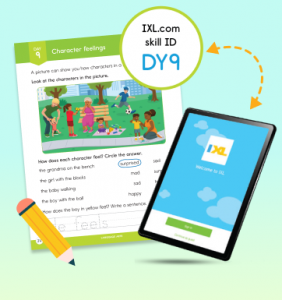
And for families who want to extend learning even further, the inclusion of additional online practice through IXL Learning is a huge bonus. It offers a seamless way to reinforce skills digitally, especially for kids who enjoy interactive platforms. It also gives parents flexibility, whether you’re at home, traveling, or just looking for a quick educational activity on a busy day.
At the end of the day, summer learning doesn’t have to be all or nothing. It’s not about recreating our homeschool days. It’s about finding small, consistent ways to keep kids curious, confident, and connected to what they’ve learned.
For us, Summer Bridge Workbooks have become an easy, go-to solution that supports both learning and the relaxed spirit of summer. The kids stay engaged without feeling pressured, and we head into the new school year feeling prepared instead of playing catch-up.
PreK-9 Summer Bridge Workbooks available on CarsonDellosa.com and Amazon
Latest Posts


This post was written by a guest contributor and is sponsored by Wyzant. As an SAT tutor, I’ve found that the strongest and most effective SAT preparation comes from identifying the skills…
Read more >

October has finally arrived and fall is in full swing! While I know I am not alone, fall is my favorite season and the one I look forward to all year. The cooler days and evenings, changing leaves,…
Read more >

Over 2 million families began homeschooling in September 2020. For new homeschoolers, it can be difficult to get started and maintain that exciting feeling at the beginning of the year where…
Read more >